FROM THE MDRNGAMES ARCHIVE
Building SPRAY VR — Bringing Street Art Culture Into Virtual Real
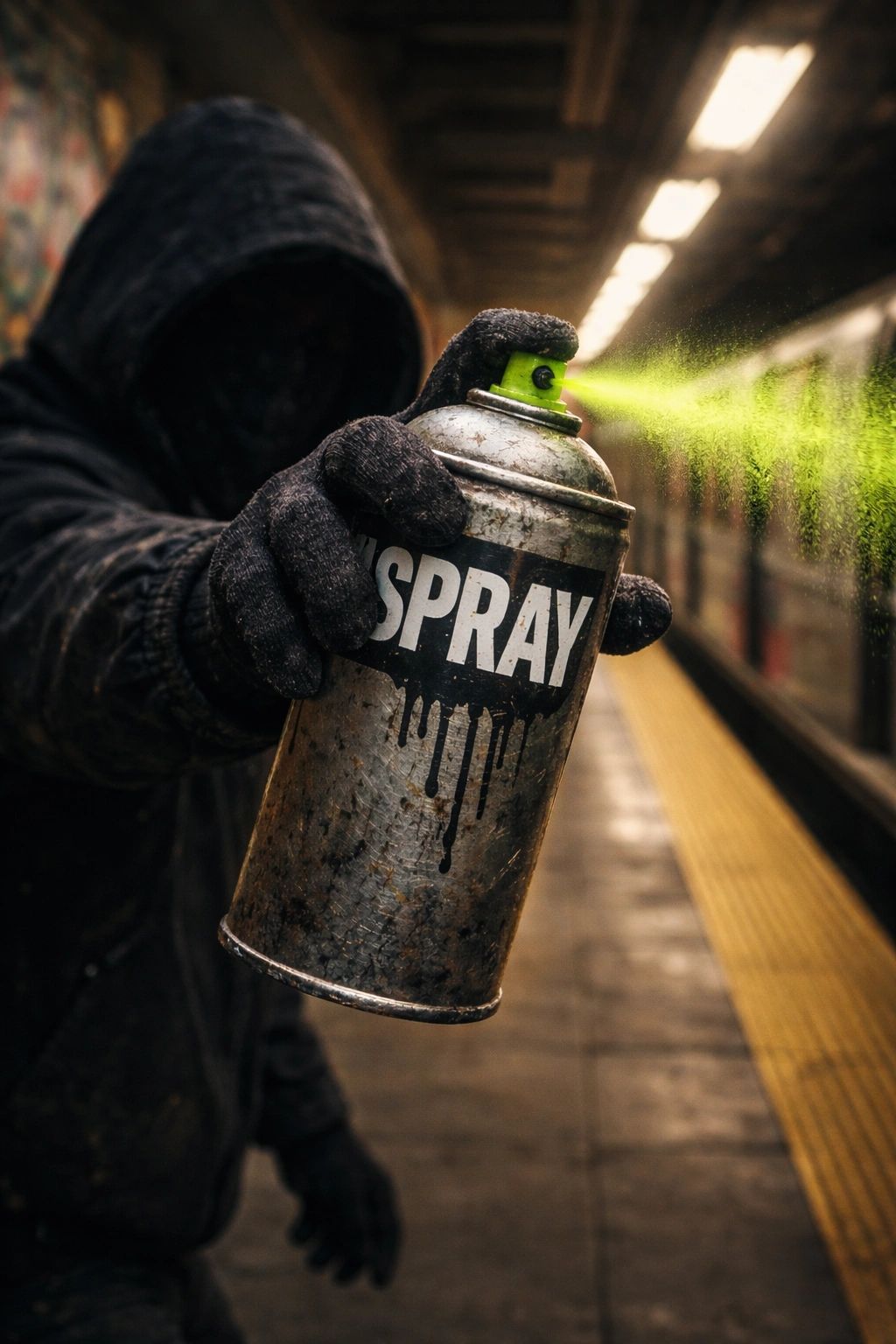
SPRAY VR started from a simple idea: graffiti isn’t just about the final piece — it’s about the motion, the risk, the environment, and the culture surrounding it. The sound of a rattle can, the pressure of a quick tag, the adrenaline of painting somewhere you’re not supposed to be. I wanted to capture that feeling in VR, not just recreate spray paint as a tool.
As a solo developer working under MDRN Games Inc, SPRAY VR became a passion project that sits at the intersection of street art, skate culture, and immersive technology.
Why Graffiti Works in VR
Graffiti is inherently physical. Your arm movement matters. Speed matters. Distance from the wall matters. That makes it a perfect match for VR.
Traditional games usually reduce graffiti to a button press or a quick-time event. That never felt right. In SPRAY VR, your hand is the can. You move your arm, adjust your distance, angle your wrist, and build muscle memory the same way you would in the real world.
VR finally allows graffiti to be expressive without being destructive — a place where creativity comes first.
Core Design Goals
From the beginning, SPRAY VR followed a few non-negotiable rules:
- Physical spray mechanics — no canned animations or fake strokes
- Readable, stylized visuals — not hyper-real, not muddy
- Culture over polish — vibe matters more than perfect symmetry
- Accessible creativity — anyone can tag, pros can master it
This wasn’t about simulating illegal activity. It was about respecting the art form.
Building the Spray System
At the heart of SPRAY VR is the spray system itself.
Each can simulates:
- Distance falloff
- Pressure and stroke speed
- Angle-based spray width
- Overlapping paint buildup
Fast wrist flicks create thin tags. Slower passes create heavy fills. Hold the can too far and your lines soften. Get close and things get messy — just like real spray paint.
The goal was to let players learn naturally instead of reading tutorials.
Environments Matter
Graffiti doesn’t exist in a vacuum. A blank white room kills the energy instantly.
SPRAY VR environments are intentionally grounded:
- Alleys
- Skateparks
- Subways
- Brick walls
- Urban backdrops with texture, wear, and history
They’re stylized, not ultra-HD. Think early-2000s grit rather than modern photorealism. The focus stays on the art — not the pixels.
Community & Real-World Influence
SPRAY VR is heavily inspired by real graffiti culture and artists.
Community contests, art challenges, and collaborations are a core part of the project. Players submit pieces, remix styles, and push the toolset in ways I never expected. Watching people treat SPRAY VR like a digital sketchbook has been one of the most rewarding parts of development.
This isn’t a closed system. It’s meant to evolve with the community.
Technical Challenges
Like any VR project, performance matters — especially on standalone headsets.
Some of the biggest challenges included:
- Keeping draw calls low while allowing layered paint
- Avoiding performance spikes from large murals
- Maintaining responsiveness during fast arm movement
- Supporting both controllers and hand tracking
A lot of iteration went into finding the balance between freedom and stability.
What’s Next for SPRAY VR
SPRAY VR is still growing.
Planned and ongoing ideas include:
- More environments and wall types
- Expanded spray tools and styles
- Community-driven events
- Artist collaborations
- Creative modes focused on experimentation
The long-term vision is simple: make SPRAY VR the best place to create street art without limits.
Final Thoughts
SPRAY VR isn’t about breaking rules — it’s about expressing yourself.
It’s for artists who want to practice. It’s for players who’ve never picked up a can. It’s for anyone who loves the culture but wants a safe space to create.
This project represents everything I love about VR: physicality, creativity, and immersion.
Thanks for being part of it.
— Nathan Pacheco
MDRN Games Inc
Share this post: