FROM THE MDRNGAMES ARCHIVE
The Future of Virtual Reality Gaming: Trends and Innovations
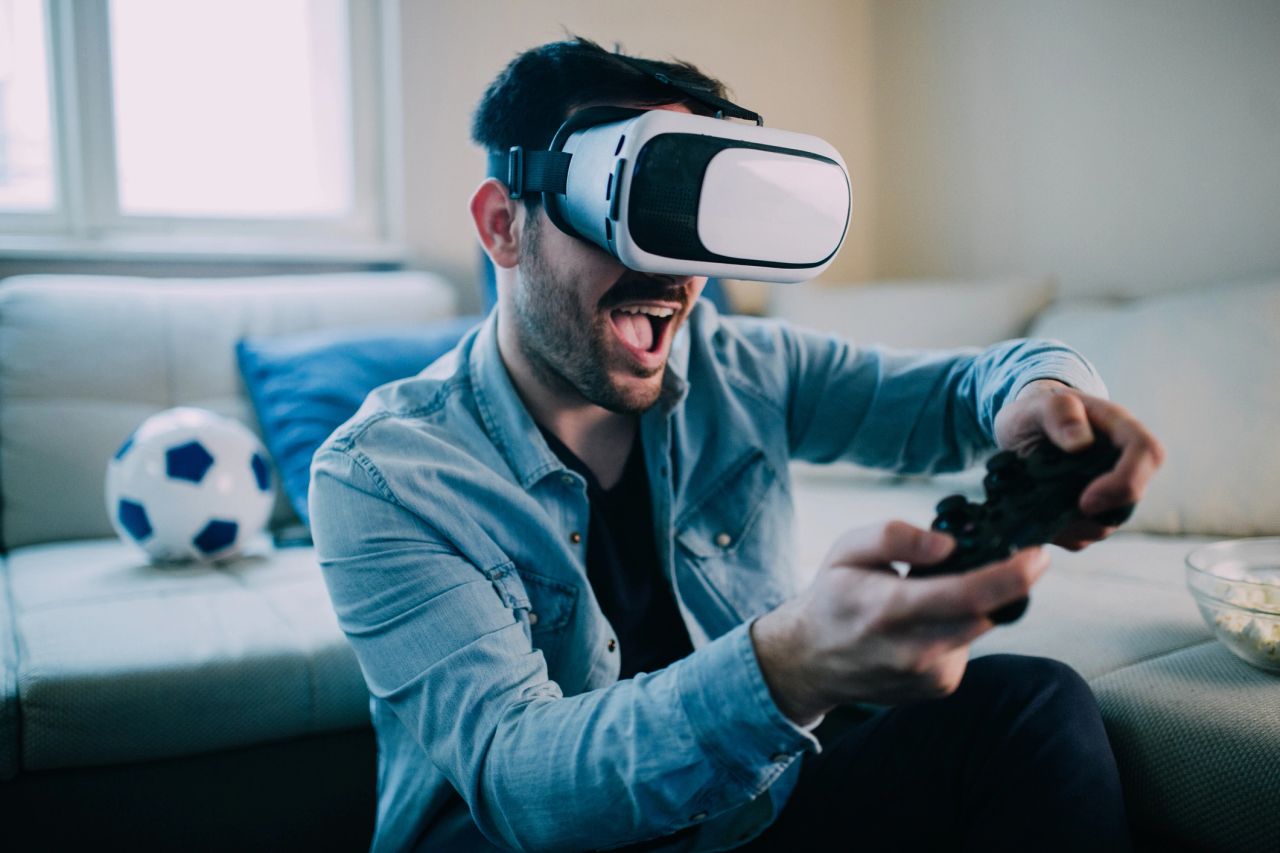
Stepping Into the Virtual Arena
The current virtual reality landscape is experiencing a transformative surge, drawing both seasoned gamers and curious newcomers into its immersive fold. As VR technology continues to advance, enthusiasts can now enjoy experiences that truly blur the boundaries between the digital and the real world. This introduction sets the stage for an exploration of emerging trends and innovations set to redefine our gaming adventures.
Gamers are witnessing firsthand how enhanced graphics, improved spatial audio, and sophisticated haptic feedback are converging to create more realistic and engaging environments. In various local settings, from metropolitan hubs to regional gaming communities, the appetite for VR experiences is growing steadily.
In this guide, you will uncover:
- Key technological breakthroughs redefining gameplay
- Practical tips on how to optimize your VR setup
- Actionable guidance on troubleshooting common VR challenges
This content serves as a primer for exploring a dynamic realm where creativity meets cutting-edge technology. Join us as we unravel the evolution of VR and learn how to harness its potential for more engaging and responsive gaming experiences.
Top 7 Trends Shaping VR Gaming in 2026
- Immersive Hardware Evolution
Cutting-edge headsets and lightweight controllers are advancing the way players interact with virtual environments. This evolution enhances immersion, ensuring gamers enjoy smoother, more realistic experiences in local VR arcades and personal setups. - Advanced Haptics Integration
Enhanced sensory feedback systems are making virtual encounters feel tangible. Improved haptics not only boost realism but also enable precise tactile responses during gameplay, addressing common issues with engagement and interaction. - Social VR Communities
The rise of multi-user VR platforms is creating dynamic, cross-platform social gatherings. Players now engage in collaborative missions and competitive arenas, fostering community growth in urban centers and local gaming hubs. - AI-Driven Game Narratives
Artificial intelligence is revolutionizing storylines, enabling adaptive, personalized narratives that respond to player decisions. This trend makes each gaming session unique and deeply engaging. - Cloud Gaming and Edge Computing
Enhanced streaming capabilities minimize latency while expanding access to high-quality VR experiences, even in remote or densely populated city areas. - Localized Content Development
Developers are focusing on region-specific themes and challenges, ensuring gamers enjoy stories and environments that resonate with local cultures. - Innovative Content Creation Tools
User-friendly development tools empower creators to craft immersive worlds, driving personalized experiences and expanding the VR gaming landscape.
Revolutionizing VR with Cutting-Edge Tech
Technological innovations are dramatically shifting the landscape of virtual reality gaming. The fusion of AI and 5G is moving VR from a niche experience to a fully immersive digital playground. AI is being integrated to enhance game realism, create adaptive storytelling, and elevate NPC interactions to feel more genuine and responsive. This progression is allowing gamers to experience unpredictable narratives and dynamic environments that evolve based on real-time decision-making.
Meanwhile, 5G connectivity is transforming multiplayer experiences by drastically reducing latency and improving streaming quality. Faster networks not only enable smoother gameplay but also support large-scale interactive events across urban centers and regional hubs. For gamers in metropolitan areas and beyond, this means more consistently high-quality experiences both at home and on the move.
Key benefits include:
- Enhanced Realism: AI-powered characters and adaptive environments create immersive gameplay.
- Seamless Connectivity: 5G enables near-instant network response times.
- Scalability: Both technologies support growing communities and larger, interactive events.
Integrating these advancements allows VR platforms to offer compelling, next-generation gaming experiences, solving common connectivity and immersion challenges in the industry.
Uniting Gamers in a Virtual World
Virtual reality gaming is revolutionizing the way communities connect and interact, offering a truly immersive social experience that goes beyond traditional online play. In these digital arenas, gamers step into a shared virtual space where communication feels natural and real, fostering deeper relationships and stronger team dynamics. Interactive environments and realistic avatars allow players to express themselves uniquely, making every encounter memorable.
Key benefits include:
- Enhanced Communication: Real-time voice chat and gesture-based interactions create more lifelike conversations.
- Collaborative Gameplay: Cooperative challenges and team-based missions encourage strategic planning and mutual support.
- Inclusive Engagement: Whether you're connecting with local enthusiasts or gamers from around the globe, VR platforms break down geographical barriers and nurture diverse communities.
This innovative approach to gaming not only elevates entertainment but also builds lasting social bonds. By embracing emerging VR technology, players experience a new level of interaction that turns virtual encounters into rich, community-driven events, setting the stage for a vibrant and connected future in gaming.
Virtual Reality Gaming FAQ: Trends & Accessibility
How do emerging VR technologies improve gaming experiences?
Innovative VR systems now offer more immersive visuals, precise motion tracking, and interactive environments that elevate gameplay beyond traditional setups.
What accessibility features are common in modern VR games?
Many titles feature adjustable controls, customizable settings, and support for alternative input devices to ensure diverse audiences enjoy gameplay comfortably.
How can players optimize their VR setups for comfort?
Ensuring proper calibration, using ergonomic accessories, and adjusting in-game settings are practical ways to reduce fatigue and enhance immersive experiences.
What challenges do developers face during VR game design?
Developers often balance complex graphics with smooth performance, addressing hardware limitations while creating accessible and engaging content.
How are local gaming markets influenced by VR innovations?
Cities like Miami and New York see growing interest, as local communities embrace advanced VR experiences that stimulate both social gatherings and competitive play.
How does community feedback drive VR development?
Player reviews and interactive forums help refine usability, ensuring that evolving features meet practical, real-world needs.
How is safety maintained in immersive VR environments?
Robust design protocols, regular software updates, and clear user guidelines foster secure and reliable gaming sessions.
Final Thoughts: Navigating the VR Gaming Frontier
As the VR gaming landscape continues to evolve, the future looks immensely promising. The advances in immersive technology and sophisticated simulation physics are set to reshape gameplay experiences across North America and beyond. VR isn't merely a niche trend; it's a comprehensive evolution that paves the way for interactive environments, collaborative multiplayer scenarios, and unprecedented realism.
Key benefits that will define tomorrow's VR gaming include:
- Enhanced Immersion: Rapid improvements in headset technology and motion tracking are making virtual environments more lifelike.
- Community Engagement: Interactive and competitive play is fostering vibrant local and global gaming communities.
- Innovative Gameplay: The fusion of artificial intelligence with VR mechanics is unlocking new gameplay strategies and revenue models.
For those looking to stay ahead, the next steps involve:
- Embracing emerging tech and integrating new tools.
- Participating in local VR gaming events to learn and network.
- Experimenting with innovative gameplay mechanics for improved user engagement.
Ultimately, the future of VR gaming holds significant potential to enhance the entire industry. Stay curious, keep exploring, and be part of the journey as this digital revolution continues to unfold.
Share this post: